ON THIS DAY · NOVEMBER 5, 2007
The Alliance That Set the Smartphone Free.
On November 5, 2007, Google and a coalition of 33 hardware makers, carriers, and chip manufacturers unveiled Android—a royalty-free, open-source Linux operating system that dismantled cellular carrier monopolies and catalyzed the modern mobile internet.
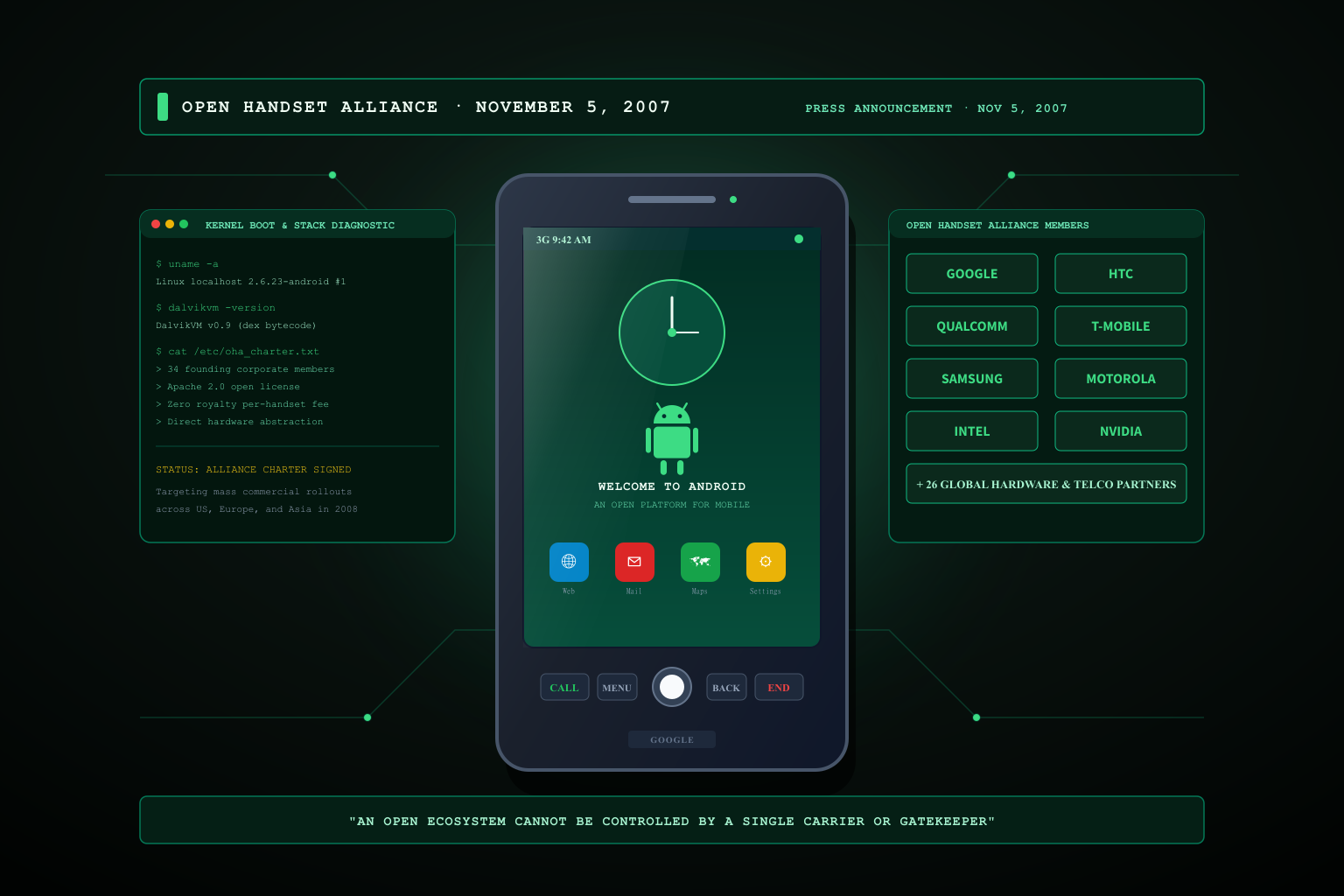
The Walled Garden Monopolies: Cellular Gatekeepers Before Android
In the autumn of 2007, the wireless telecommunications landscape was defined by draconian gatekeeping and extreme platform fragmentation. Cellular network operators such as Verizon, AT&T, Vodafone, and Sprint wielded absolute sovereign control over what software could exist on handheld devices. A mobile software developer wanting to distribute an application had to negotiate individually with carrier business development executives, pay exorbitant testing and certification fees, and surrender up to seventy percent of their gross revenue to carrier billing portals.
Behind this commercial bottleneck lay a fractured technical nightmare. Handsets ran proprietary, closed-source operating systems like Symbian, Windows Mobile, Qualcomm BREW, or rudimentary Sun Java ME (J2ME) runtimes. Because each phone manufacturer implemented screen resolutions, memory constraints, and audio hardware drivers differently, writing a game or utility required porting the codebase to dozens of bespoke handset profiles. Even after Apple stunned the industry in January 2007 with the original iPhone, Apple's platform was exclusively locked to AT&T in the United States, lacked an open developer software development kit, and represented an expensive, single-vendor luxury silo rather than an accessible global industry standard.
The Secret Acquisition and the 34-Company Open Coalition
Inside Google's Mountain View campus, founders Larry Page and Sergey Brin had realized years earlier that mobile connectivity represented the true future of internet computing. In July 2005, Google quietly acquired a tiny, secretive startup named Android Inc., founded by Andy Rubin, Rich Miner, Nick Sears, and Chris White, for an estimated fifty million dollars. Originally founded to develop an intelligent operating system for standalone digital cameras, Rubin's team pivoted to building an advanced mobile handset operating system built directly upon the open-source Linux kernel.
Recognizing that launching a standalone Google-branded phone would alienate global hardware manufacturers and trigger carrier retaliation, Google executed an ingenious diplomatic masterstroke. Led by Andy Rubin and executive Eric Schmidt, Google spent eighteen months forging backchannel alliances across the entire technology supply chain. On the morning of Monday, November 5, 2007, thirty-four corporate titans stood united to announce the Open Handset Alliance (OHA). The coalition spanned silicon powerhouses like Qualcomm, Broadcom, Intel, and Texas Instruments; premiere hardware manufacturers including HTC, Samsung, Motorola, and LG; and major wireless carriers like T-Mobile, Sprint Nextel, China Mobile, and NTT DoCoMo.
Apache 2.0, Dalvik, and the Democratization of Mobile Software
The core proposition of Android was radical: Google provided a production-grade, end-to-end mobile software stack—including the modified Linux 2.6 kernel, custom hardware abstraction layers, the register-based Dalvik Virtual Machine, and full telephony libraries—entirely free of licensing fees under the liberal Apache 2.0 open-source license. Unlike the GPL license, which forced hardware makers to open-source proprietary radio baseband drivers and camera firmware, Apache 2.0 allowed manufacturers to integrate proprietary silicon while keeping the core operating system free and open.
One week later, on November 12, 2007, Google released the first Android Software Development Kit (SDK) and launched the ten-million-dollar Android Developer Challenge. For the first time, independent programmers across the globe could download an emulator, write full-featured mobile applications using standard Java syntax, and access native GPS hardware, cellular radios, and SQLite databases without asking permission from a telecom gatekeeper. When the first commercial Android handset—the HTC Dream, marketed as the T-Mobile G1—hit store shelves eleven months later in October 2008, it marked the beginning of an open computing paradigm that fundamentally democratized global internet access.
What the evidence does not settle
Our historical analysis is grounded in verified corporate press releases, Federal Communications Commission filings, and firsthand engineering memoirs from core Android team members. Early Android prototypes in 2007 relied on physical QWERTY keyboards and directional navigation controls prior to capacitive multi-touch standardization. Carrier software fragmentation, proprietary skinning, and delayed update schedules remained persistent challenges for the open ecosystem throughout its subsequent growth.
PRODUCT IDEA 01
Androids: The Team That Built the Android Operating System
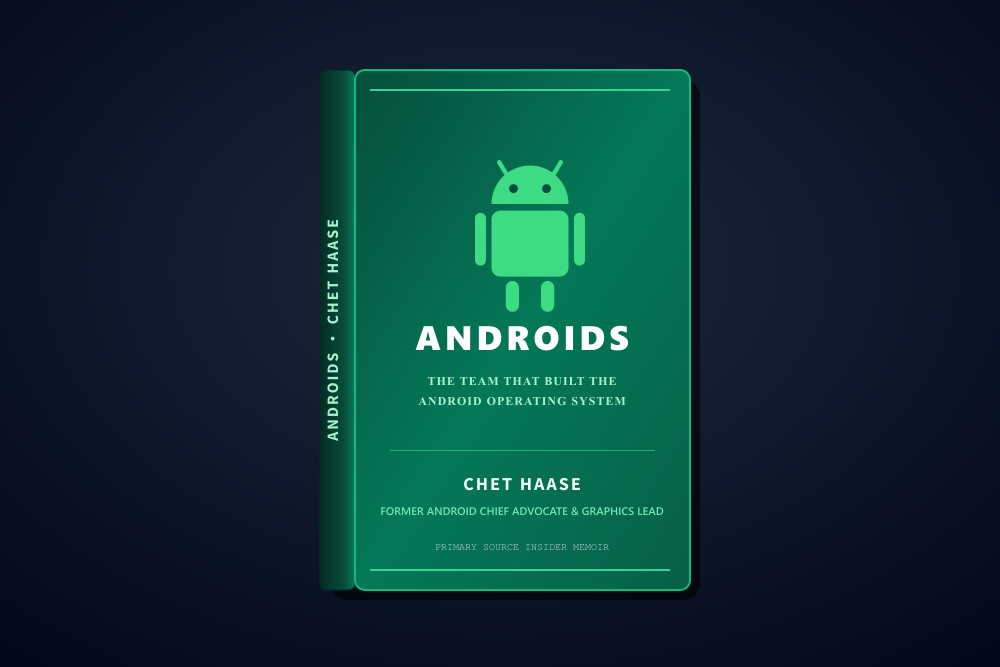
Chet Haase, a longtime lead graphics engineer on the Android team at Google, conducted extensive interviews with over forty original Android engineers, designers, and managers to assemble this definitive oral and technical history. The book details the chaotic skunkworks atmosphere, desperate carrier negotiations, and late-night coding sessions that brought the open operating system from an unstable prototype to a global standard.
Buying limit: Essential reading for software developers, mobile engineers, and tech historians seeking authentic behind-the-scenes insights into platform architecture. Not a beginner coding tutorial or app programming guide; it is an in-depth corporate and engineering narrative.
Original editorial illustration, not a retailer photograph. As an Amazon Associate, we earn from qualifying purchases.PRODUCT IDEA 02
In the Plex: How Google Thinks, Works, and Shapes Our Lives
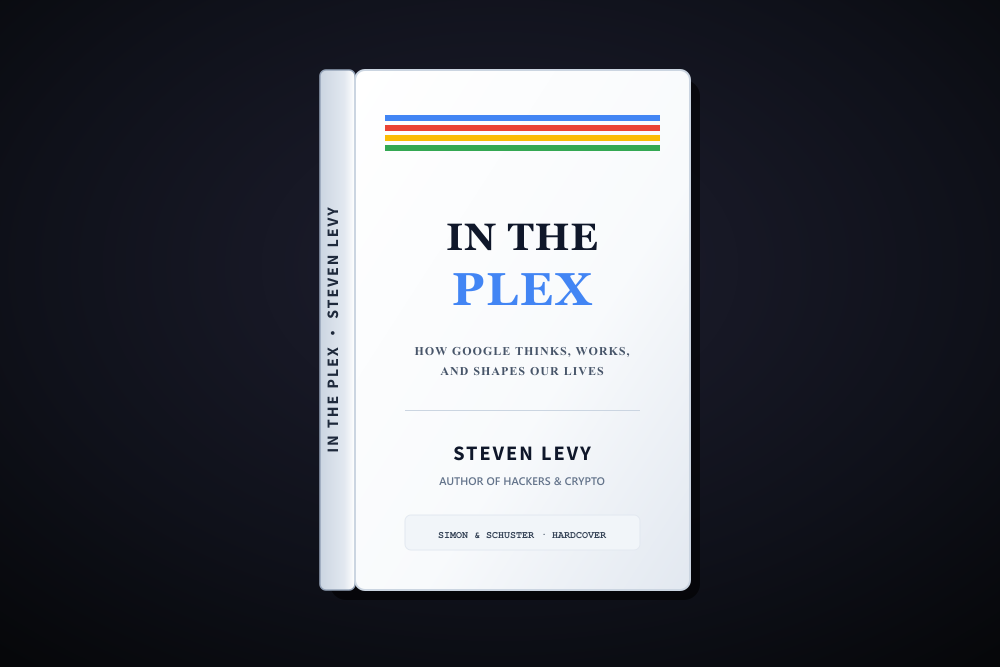
Veteran technology journalist Steven Levy secured unprecedented insider access to Google's leadership, documenting the high-stakes internal debates surrounding the Android acquisition and the decision to release the operating system for free rather than building a proprietary walled garden. It illuminates the strategic calculus that allowed Google to outmaneuver entrenched telecom giants and Microsoft.
Buying limit: Ideal for entrepreneurs, technology strategists, and general readers wanting a rigorous, narrative-driven exploration of Google's expansion into mobile and cloud services. Does not contain low-level source code listings or technical API teardowns.
Original editorial illustration, not a retailer photograph. As an Amazon Associate, we earn from qualifying purchases.SOURCES, METHOD, AND LIMITS
We examined primary announcements published by the Open Handset Alliance and Google on November 5, 2007, reviewed archived Android 0.9 SDK release documentation, and cross-referenced firsthand technical accounts from Andy Rubin, Chet Haase, and Steven Levy. Historical corporate memberships and platform licensing terms were verified against original institutional archives without vendor sponsorship.
- Open Handset Alliance Official Press Archive: 34 Industry Leaders Announce Open Handset Alliance — Primary founding charter and press announcement detailing member corporations, Apache 2.0 licensing, and initial Android platform scope.
- Computer History Museum: Revolutionizing Mobile Computing with Android and Open Source — Institutional archive documenting Andy Rubin's team acquisition in 2005, Dalvik virtual machine design, and the transition away from carrier walled gardens.
- Ars Technica Retrospective: The History of Android from Secret Project to Global Hegemony — Comprehensive investigative review of early Android prototypes, carrier negotiations, and the architectural evolution of the mobile operating system.