ON THIS DAY · SEPTEMBER ARCHIVE
September in Tech History.
30 source-led historical investigations into the discoveries, patents, and engineering pivots that took place in September.
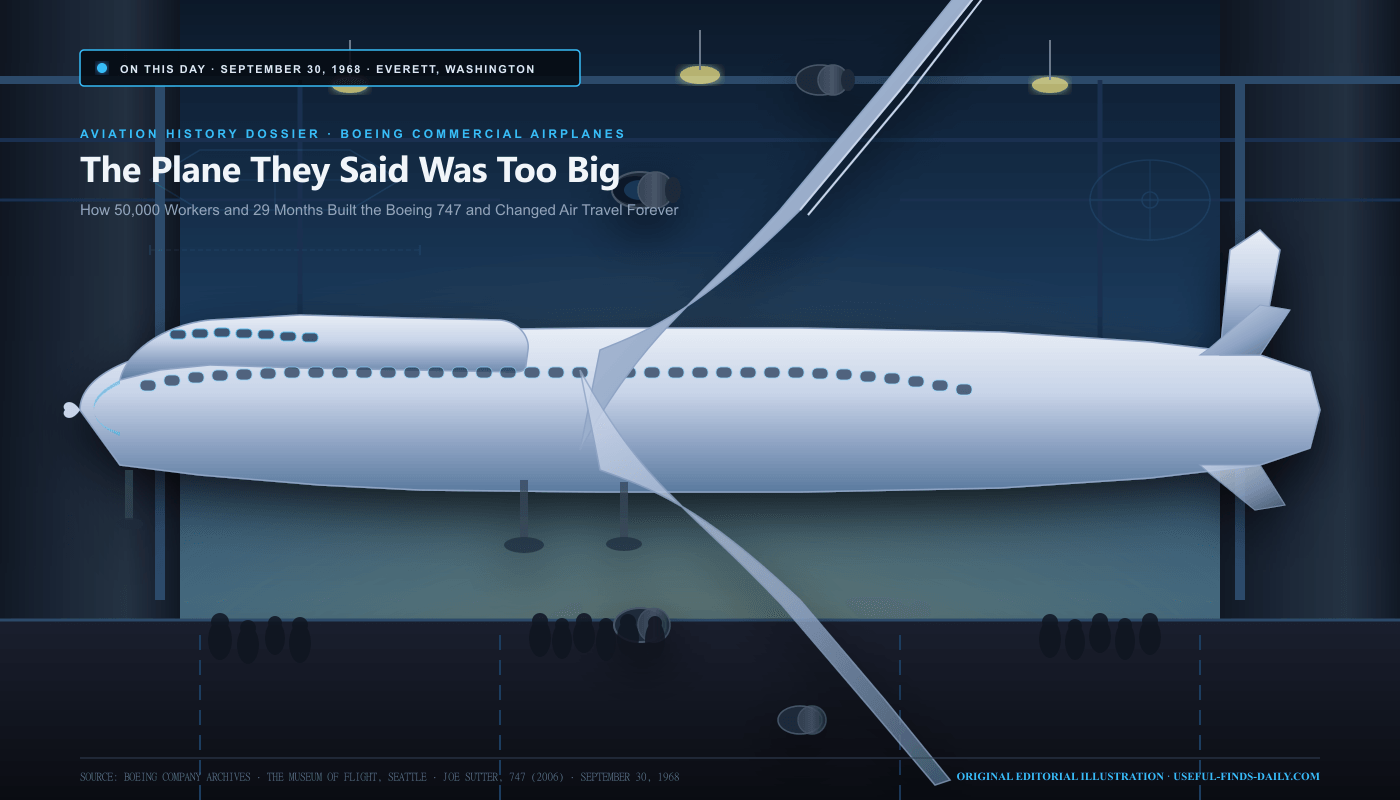
The Plane They Said Was Too Big: How 50,000 Workers Built the Boeing 747 and Changed Air Travel Forever
Before the hangar doors at Paine Field, Everett, Washington opened on September 30, 1968, many airline executives and aviation experts believed that a 747-seat aircraft was aerodynamically reckless, commercially suicidal, and physically impossible to build in the time available. Boeing built it anyway — and in doing so, democratised air travel for the modern world.
Read the source-led story →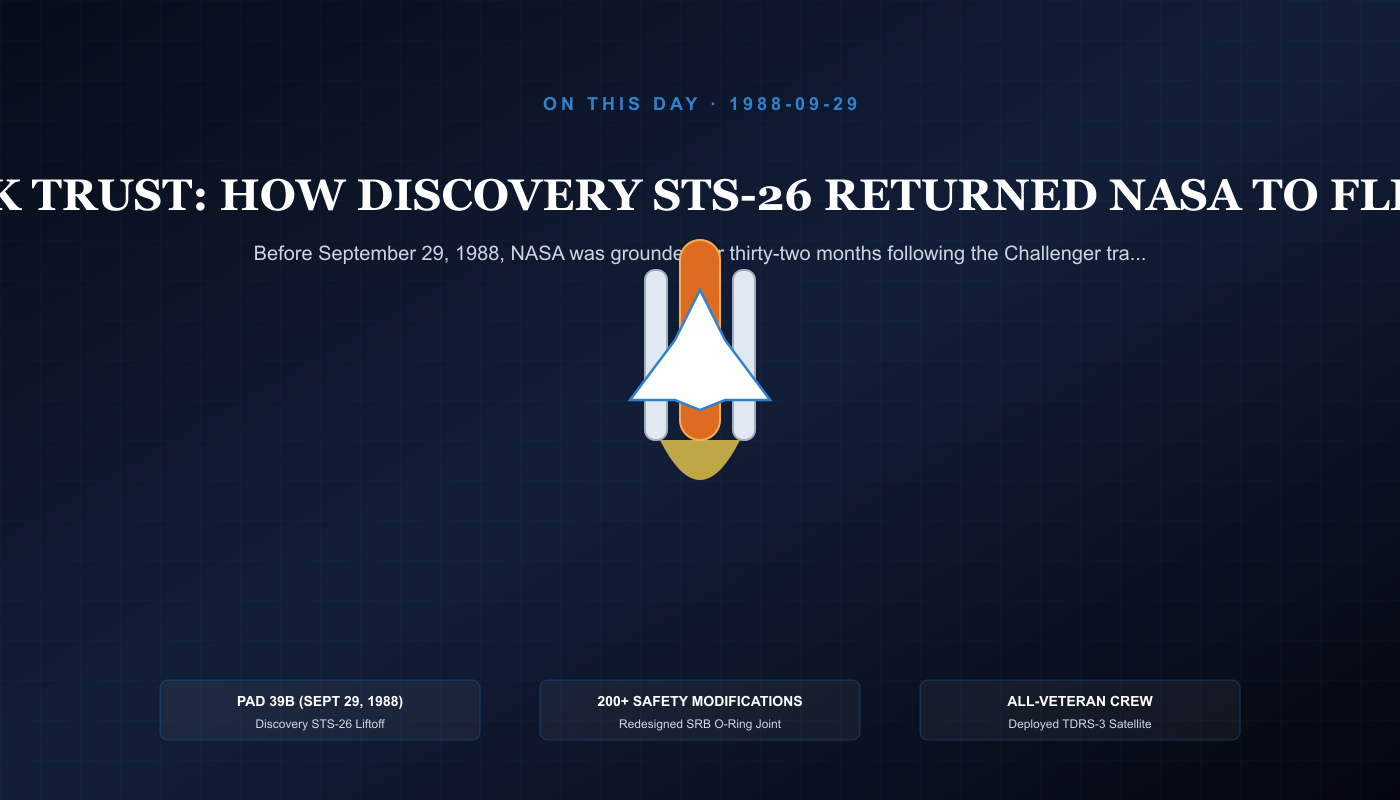
32 Months to Earn Back Trust: How Discovery STS-26 Returned NASA to Flight After Challenger
Before September 29, 1988, NASA was grounded for thirty-two months following the Challenger tragedy. When Space Shuttle Discovery lifted off from Pad 39B with an all-veteran crew, it marked the hardest-earned return to flight in aerospace history.
Read the source-led story →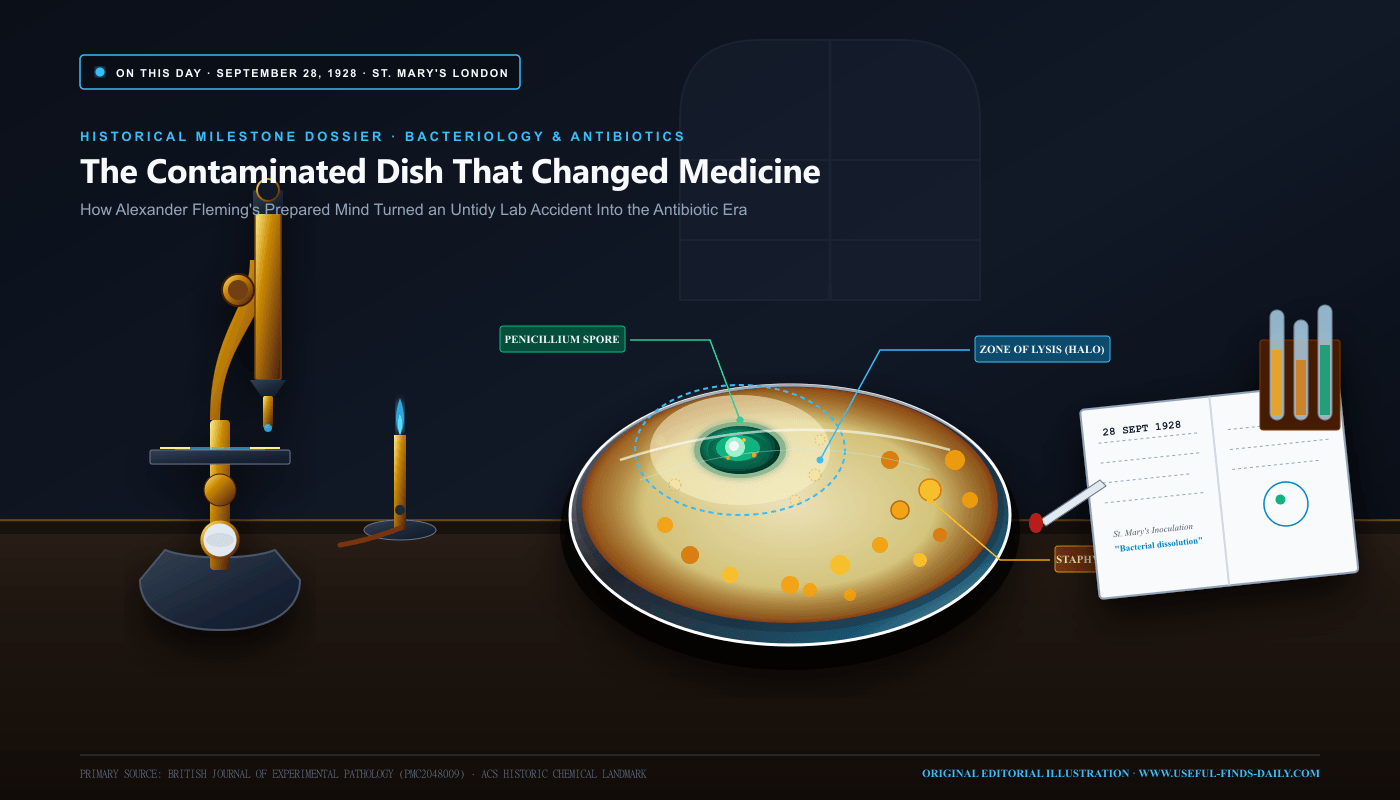
The Contaminated Dish That Changed Medicine: How Alexander Fleming Observed Penicillin in a Messy London Lab
Before Alexander Fleming noticed a halo of dissolved staphylococci around a stray fungal colony in a St. Mary's laboratory, bacterial infections were lethal sentences. Here is the verified history behind the 1928 discovery, the Oxford purification breakthrough, and what really happened.
Read the source-led story →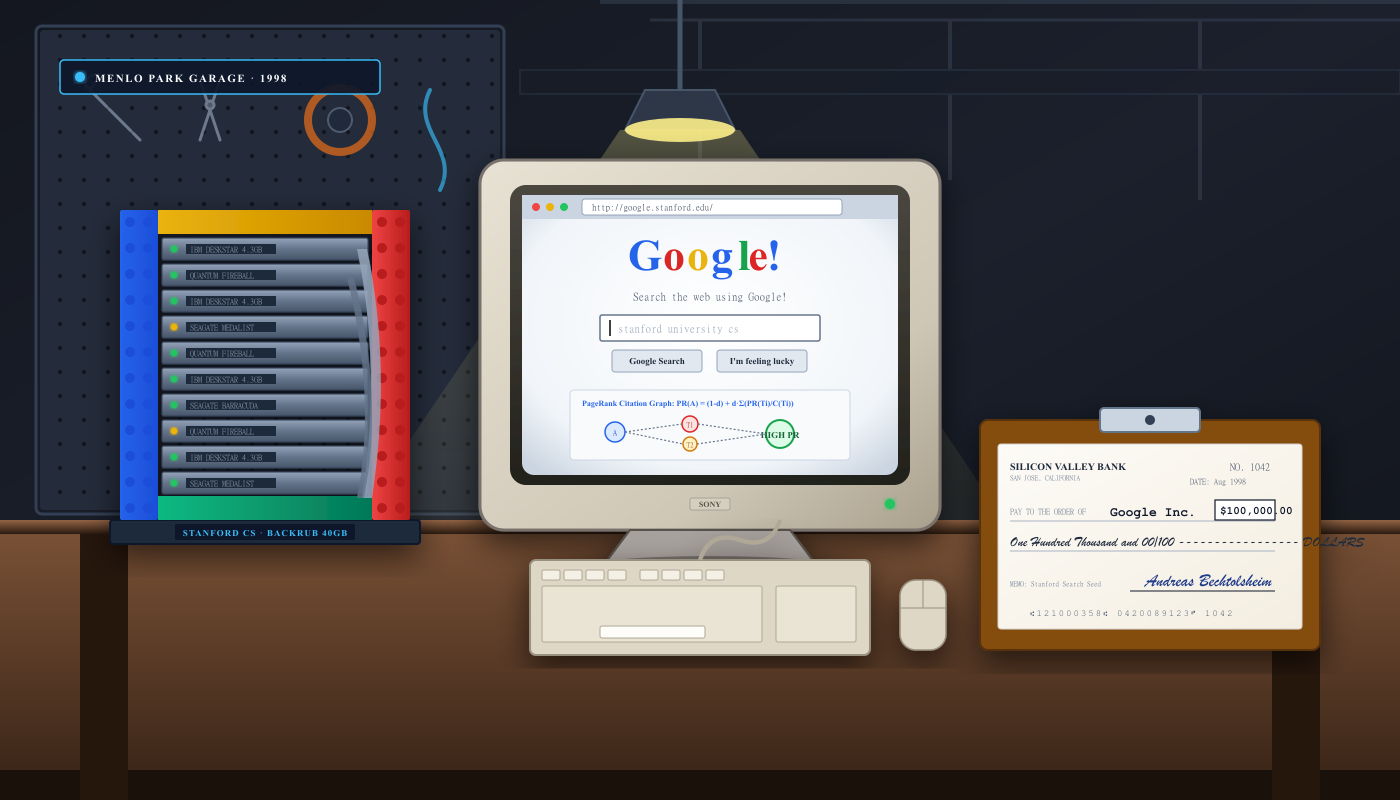
From a Menlo Park Garage to PageRank: How Google Was Built on Cheap Hard Drives and LEGO Bricks
Armed with an uncashed $100,000 seed check, ten 4GB drives stacked in toy building bricks, and a radical citation algorithm, two Stanford Ph.D. students turned a rented garage into the foundation of the modern web.
Read the source-led story →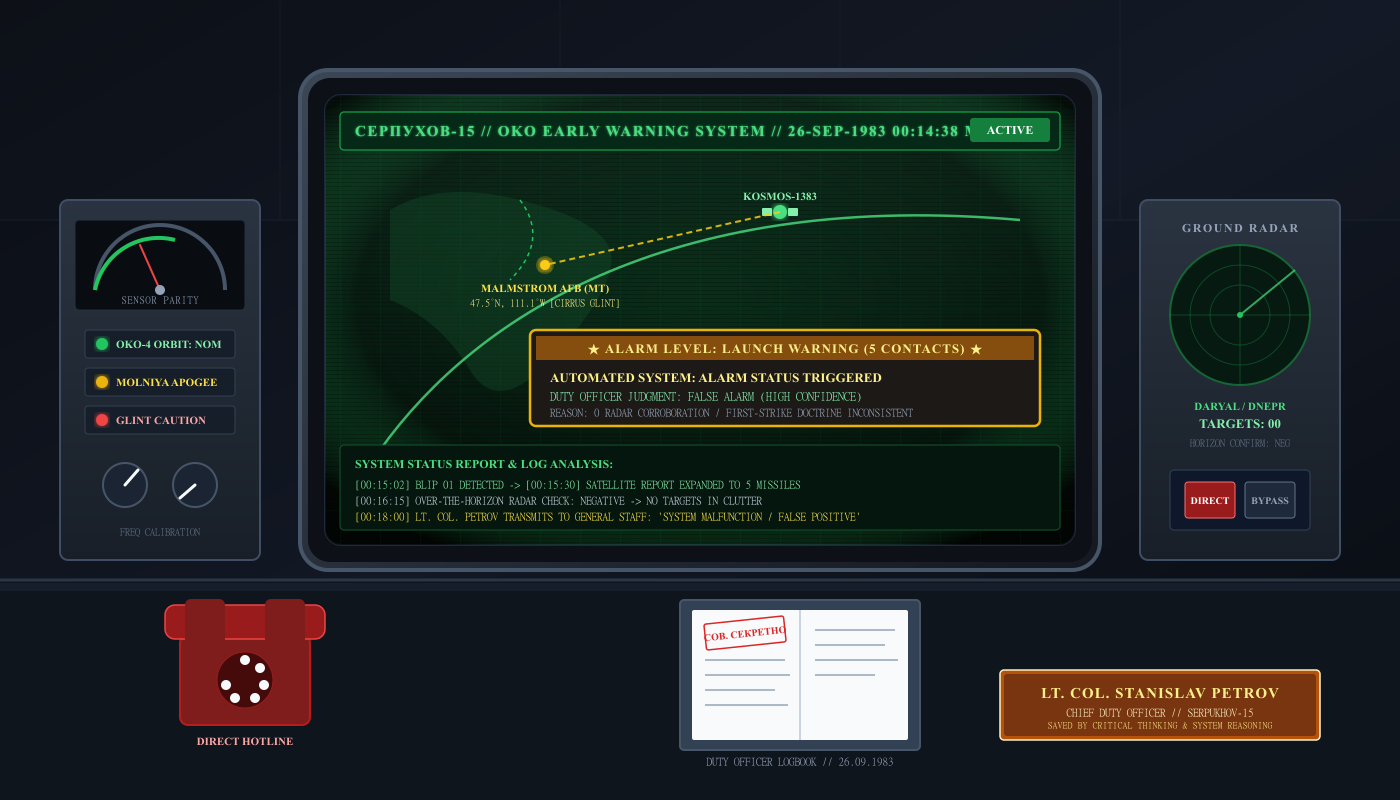
Stanislav Petrov and the 1983 Satellite False Alarm That Almost Started World War III
In the early hours of September 26, 1983, a secret Soviet bunker detected five American ICBM launches. Duty officer Stanislav Petrov broke protocol to prevent accidental global nuclear devastation.
Read the source-led story →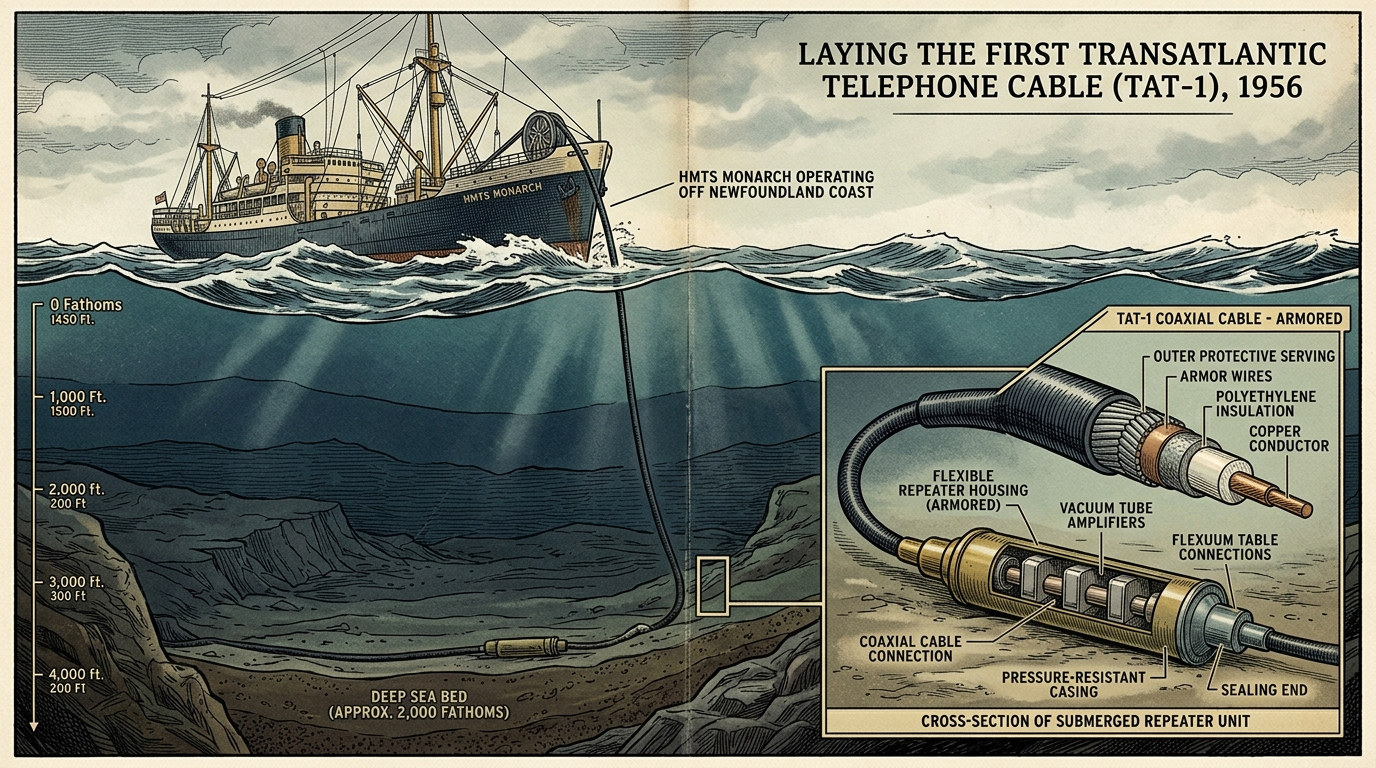
TAT-1 in 1956: when thirty-six phone lines tamed the North Atlantic
On September 25, 1956, twin coaxial cables and flexible deep-sea repeaters linked Scotland to Newfoundland, replacing crackling radiotelephone traffic with the first permanent undersea voice bridge.
Read the source-led story →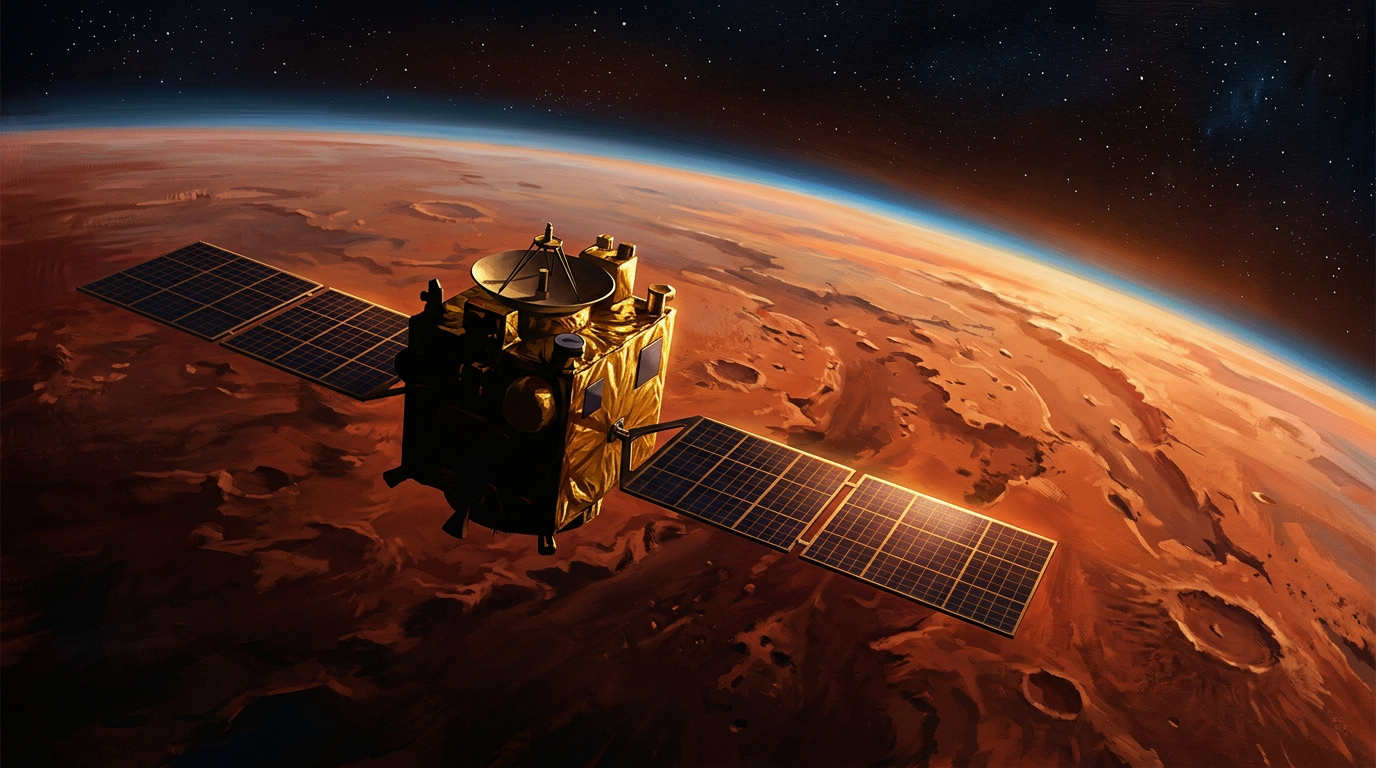
Mars Orbiter Mission: how lean engineering reached Mars on the first try
On September 24, 2014, India’s Mars Orbiter Mission entered Martian orbit on its very first attempt. Costing roughly $74 million, it demonstrated that disciplined verification and autonomous decision-making can achieve what far larger budgets often struggle to guarantee.
Read the source-led story →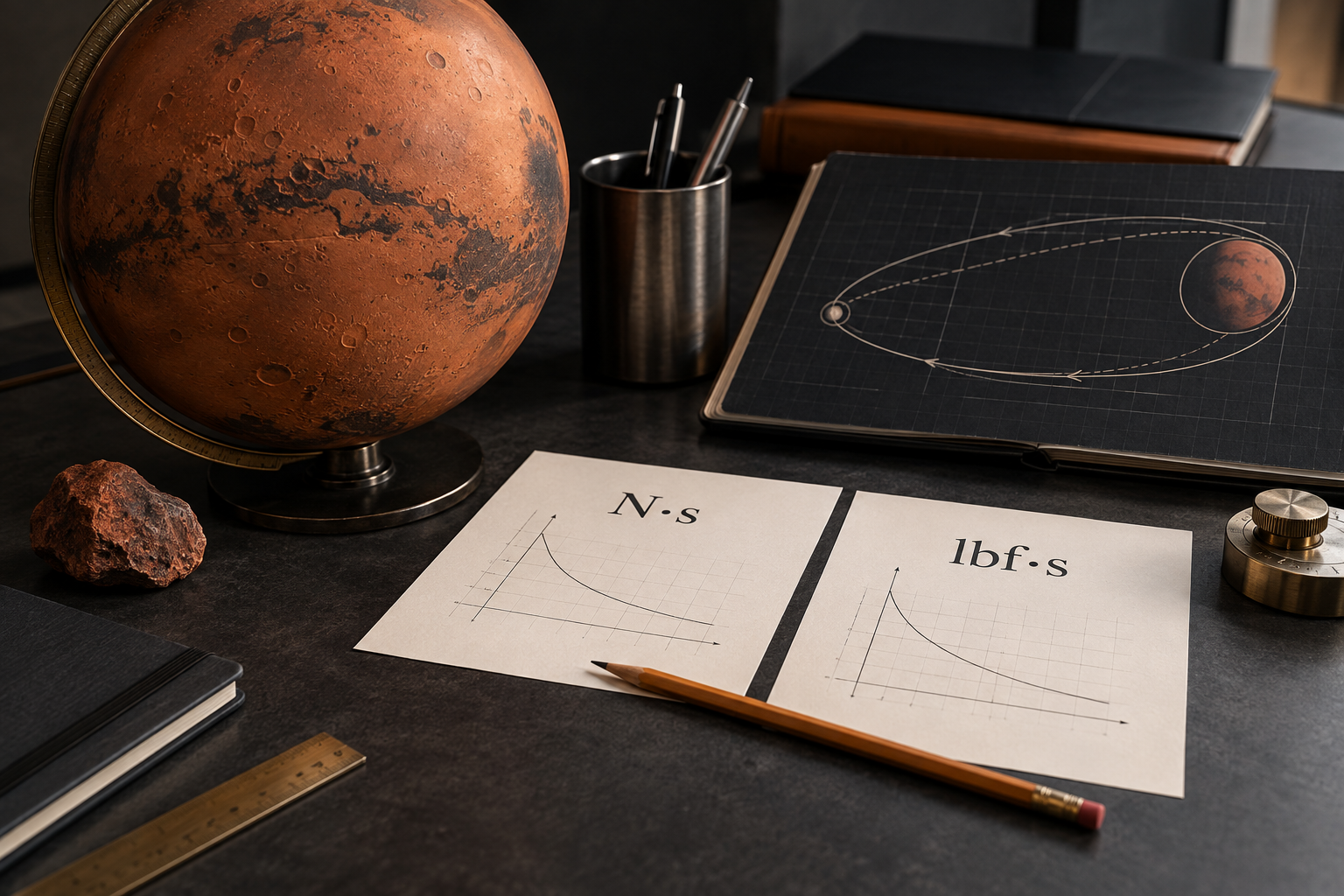
Mars Climate Orbiter: the unit mismatch that survived the checks
NASA's investigation traced the loss to incompatible units in navigation data. Its follow-up report asks a harder question: why did the project's checks let that error reach Mars?
Read the source-led story →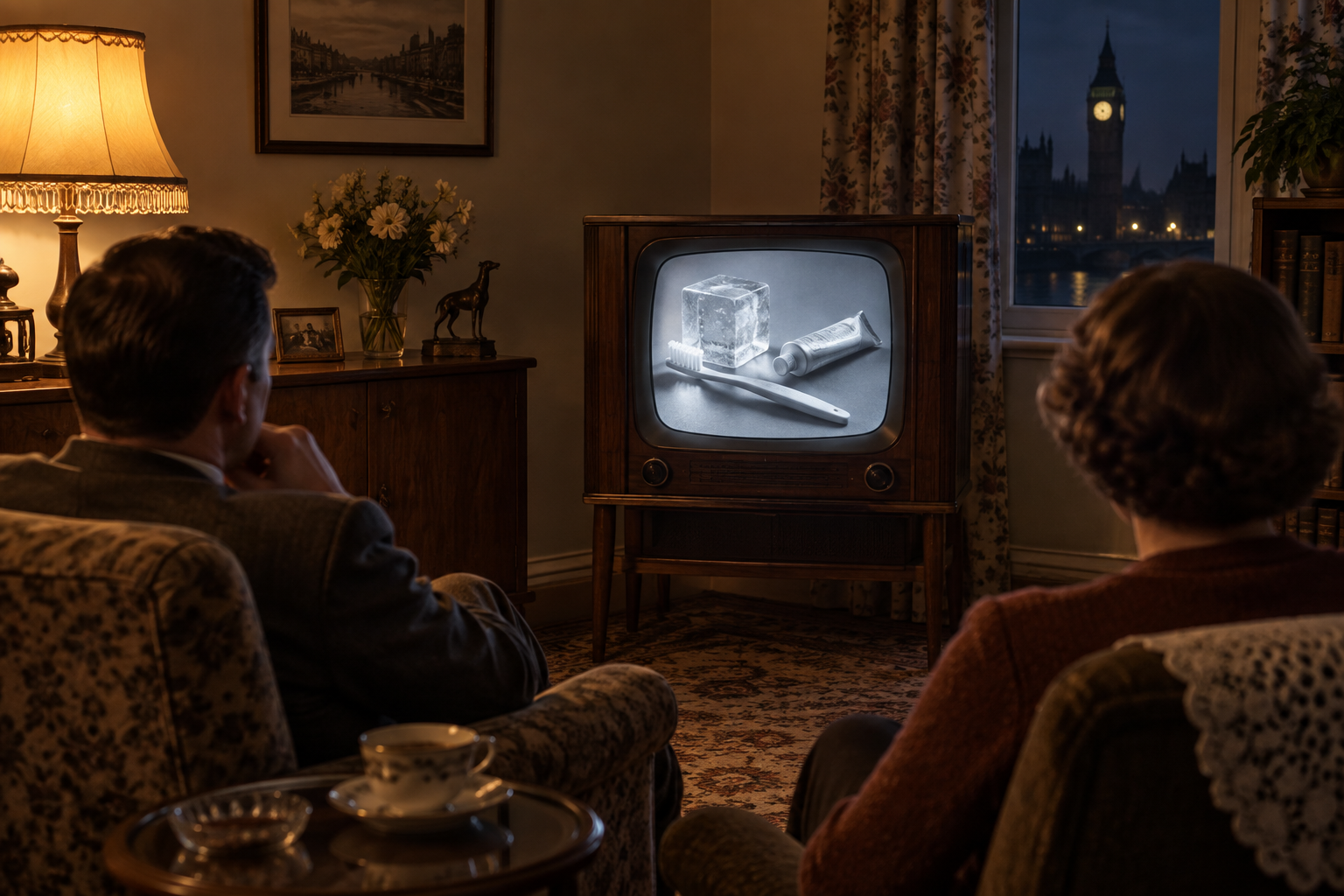
The first British TV advert lasted a full minute.
Our calendar said three seconds. The archival record says sixty—and explains how commercial television entered the British living room.
Read the source-led story →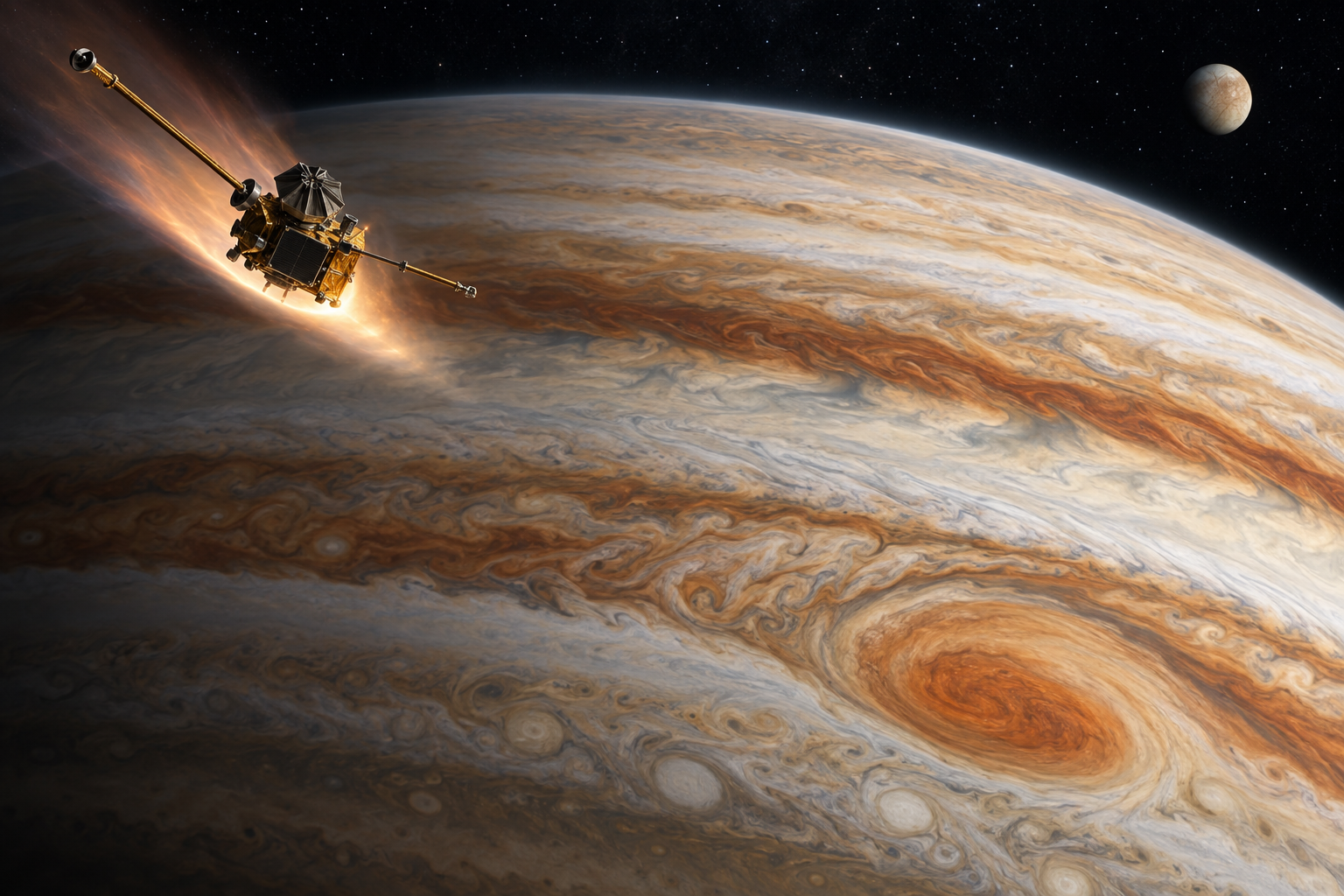
Galileo found an ocean. Then it had to miss it.
NASA deliberately ended a successful mission to remove the risk of an uncontrolled collision with Europa.
Read the source-led story →
The famous book arrived one week from today.
Our calendar was wrong. Silent Spring appeared September 27, 1962—and the correction makes the history more useful.
Read the source-led story →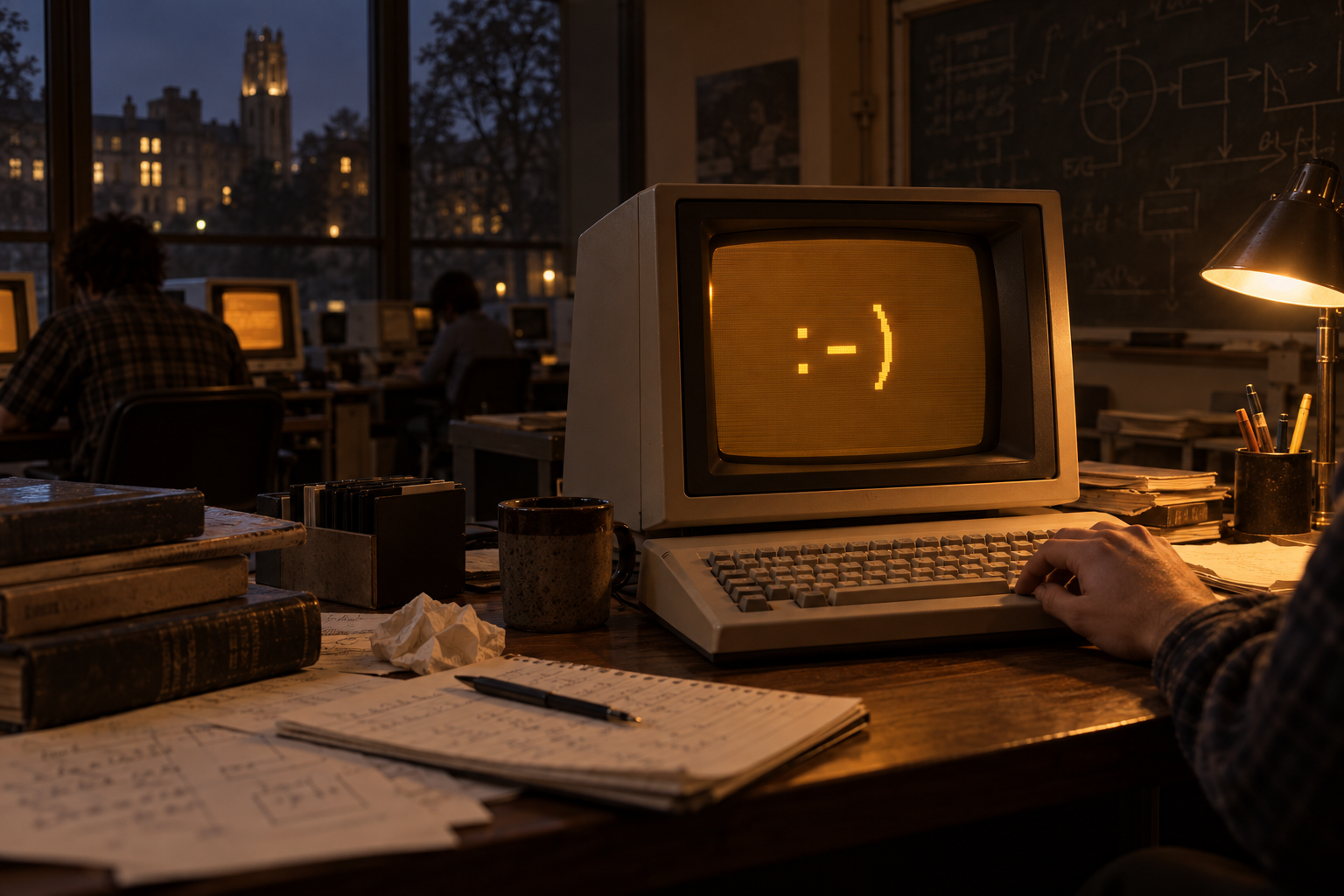
The internet needed a raised eyebrow.
A joke about an elevator led Scott Fahlman to propose :-)—and a forgotten backup tape preserved the moment.
Read the source-led story →
Who owns the internet? Nobody. Sort of.
The popular anniversary says ICANN began today. Its own corporate record points to September 30.
Read the source-led story →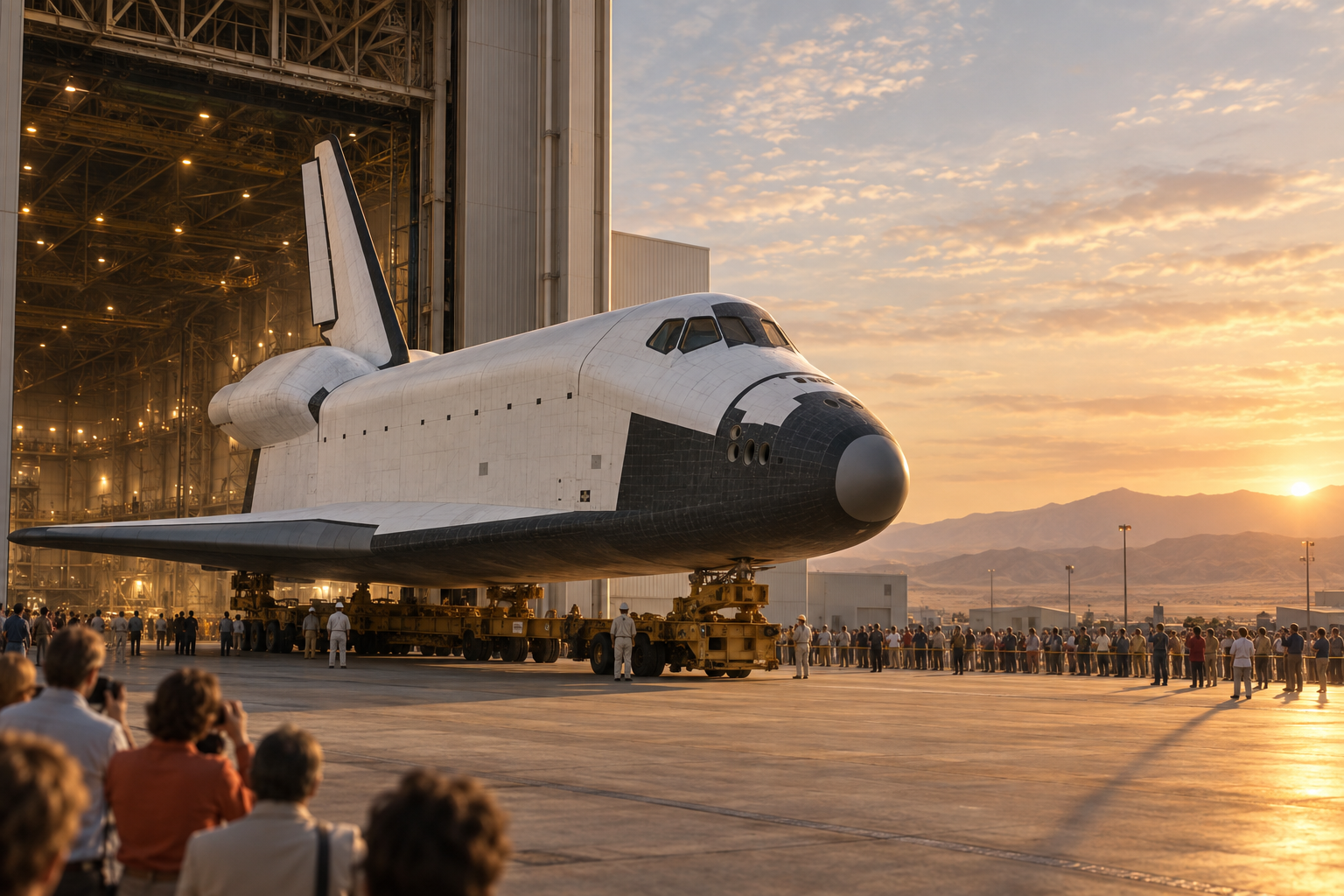
Enterprise steps out of the hangar.
NASA’s first Space Shuttle orbiter made its public debut—and a letter-writing campaign helped give it a name that lasted.
Read the source-led story →
Out of Apple, Into the Future: How Steve Jobs Founded NeXT in 1985 and Built the DNA of Modern Computing
Before September 16, 1985, Steve Jobs was stripped of operational power inside Apple. When he resigned to found NeXT, he embarked on a wilderness decade that yielded the object-oriented software architecture underlying every modern Mac, iPhone, and web server today.
Read the source-led story →
From BackRub to Google.com: The 1997 Domain Registration That Anchored Modern Web Search
Before September 15, 1997, early web search engines indexed keywords blindly, easily manipulated by spam. When Larry Page and Sergey Brin registered google.com, they anchored a revolutionary citation-based link ranking algorithm that organized the chaos of the World Wide Web.
Read the source-led story →
Searching for Life on the Red Planet: How NASA’s Viking 2 Began Its Journey to Utopia Planitia
Before September 14, 1975, the Martian surface was an enigmatic expanse seen only through blurry orbital cameras. When NASA launched Viking 2 from Cape Canaveral, it dispatched a nuclear-powered robotic laboratory destined to touch the rocks of Utopia Planitia.
Read the source-led story →
Five Megabytes on Fifty Disks: How IBM’s 1956 RAMAC Invented the Magnetic Hard Drive
Before September 13, 1956, digital data was trapped on sequential paper punch cards and magnetic tape. When IBM unveiled the 305 RAMAC in San Jose, its stack of fifty magnetic platters gave humanity its first instantaneous, random-access digital storage.
Read the source-led story →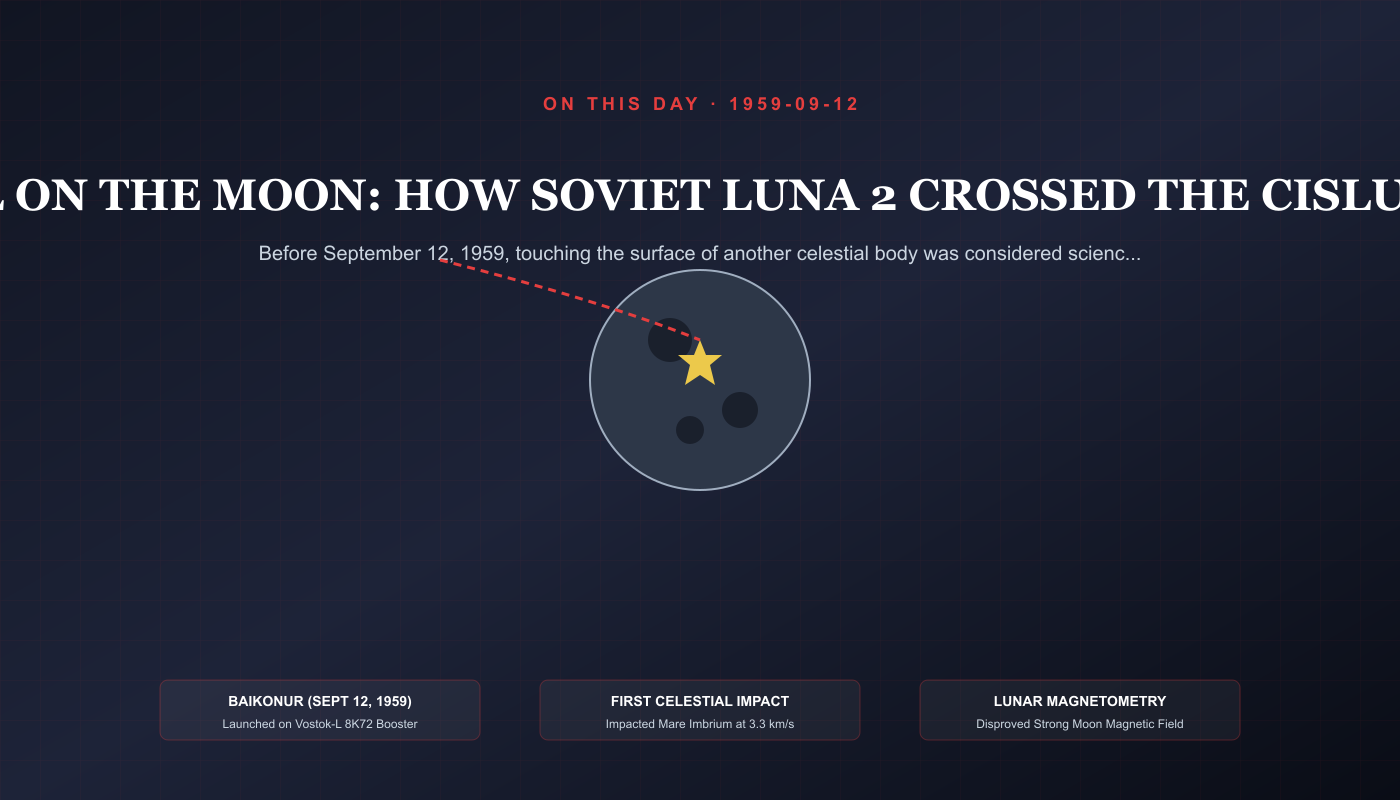
The First Metal on the Moon: How Soviet Luna 2 Crossed the Cislunar Void in 1959
Before September 12, 1959, touching the surface of another celestial body was considered science fiction. When Soviet Chief Designer Sergei Korolev launched Luna 2 on an exact trans-lunar trajectory to Mare Imbrium, humanity made its first physical contact with the Moon.
Read the source-led story →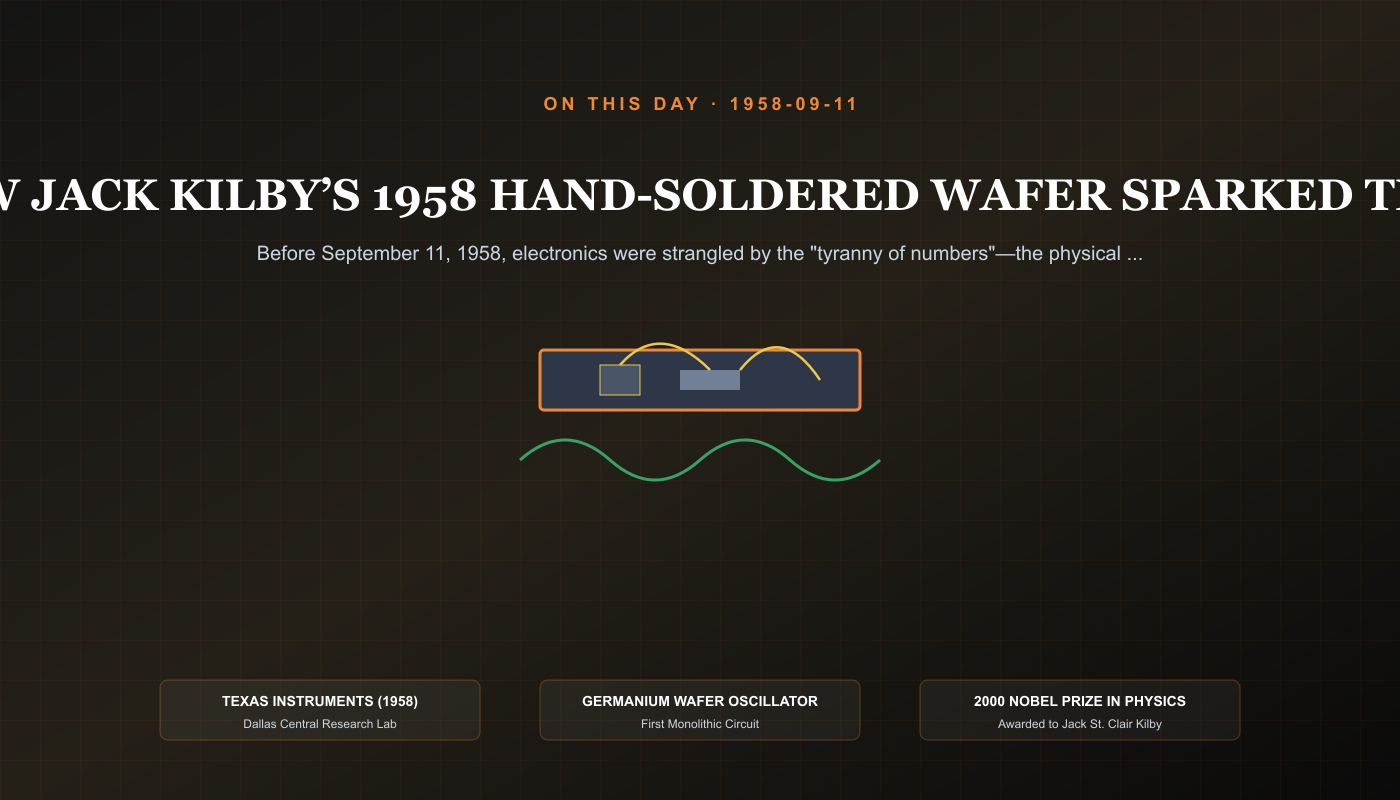
The Monolithic Idea: How Jack Kilby’s 1958 Hand-Soldered Wafer Sparked the Microchip Revolution
Before September 11, 1958, electronics were strangled by the "tyranny of numbers"—the physical impossibility of hand-soldering millions of individual wires between components. When Jack Kilby built a working oscillator entirely within a single sliver of germanium, he inaugurated the modern semiconductor age.
Read the source-led story →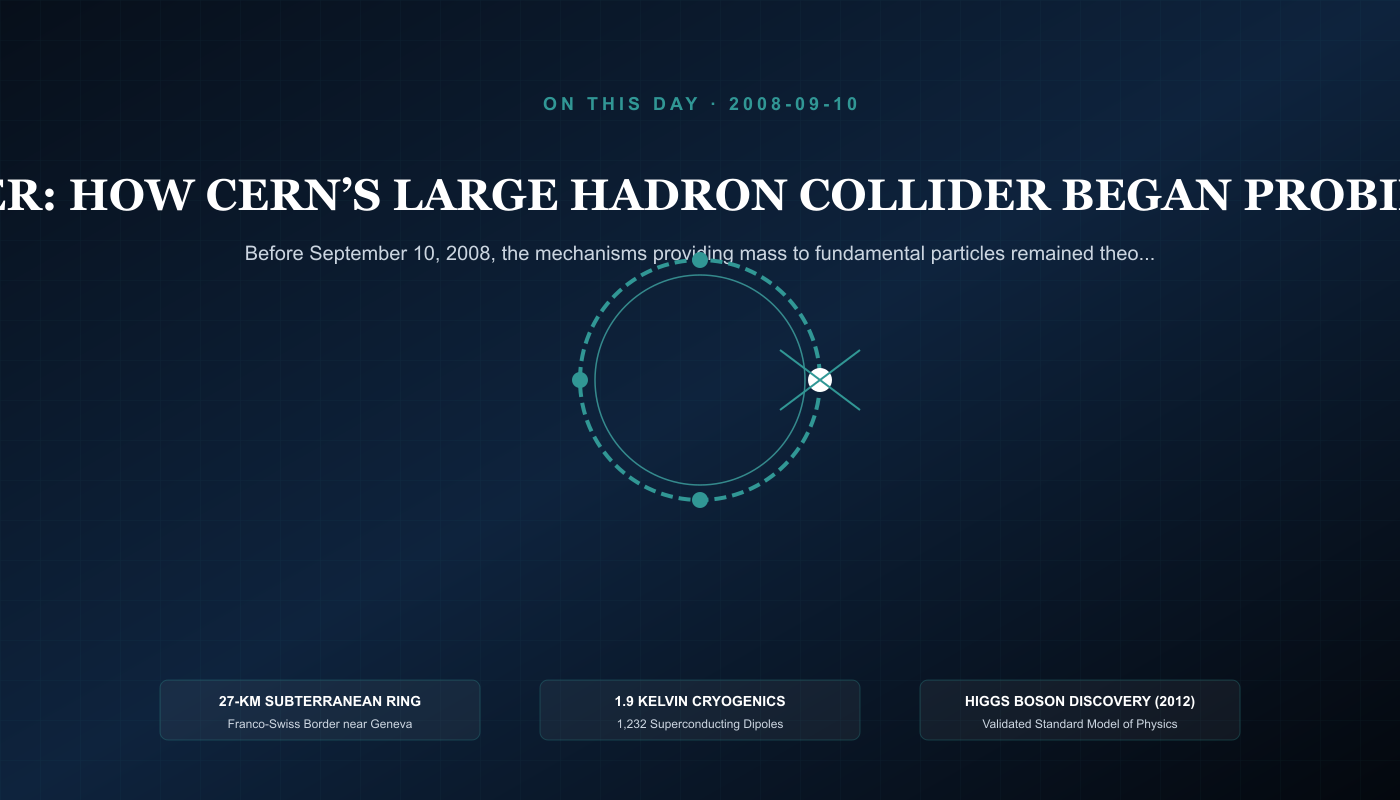
Beams Beneath the Border: How CERN’s Large Hadron Collider Began Probing the Secrets of Physics
Before September 10, 2008, the mechanisms providing mass to fundamental particles remained theoretical conjecture. When CERN scientists successfully steered the first proton beam through the 27-kilometer subterranean cryogenic ring, they powered up the largest scientific instrument ever built.
Read the source-led story →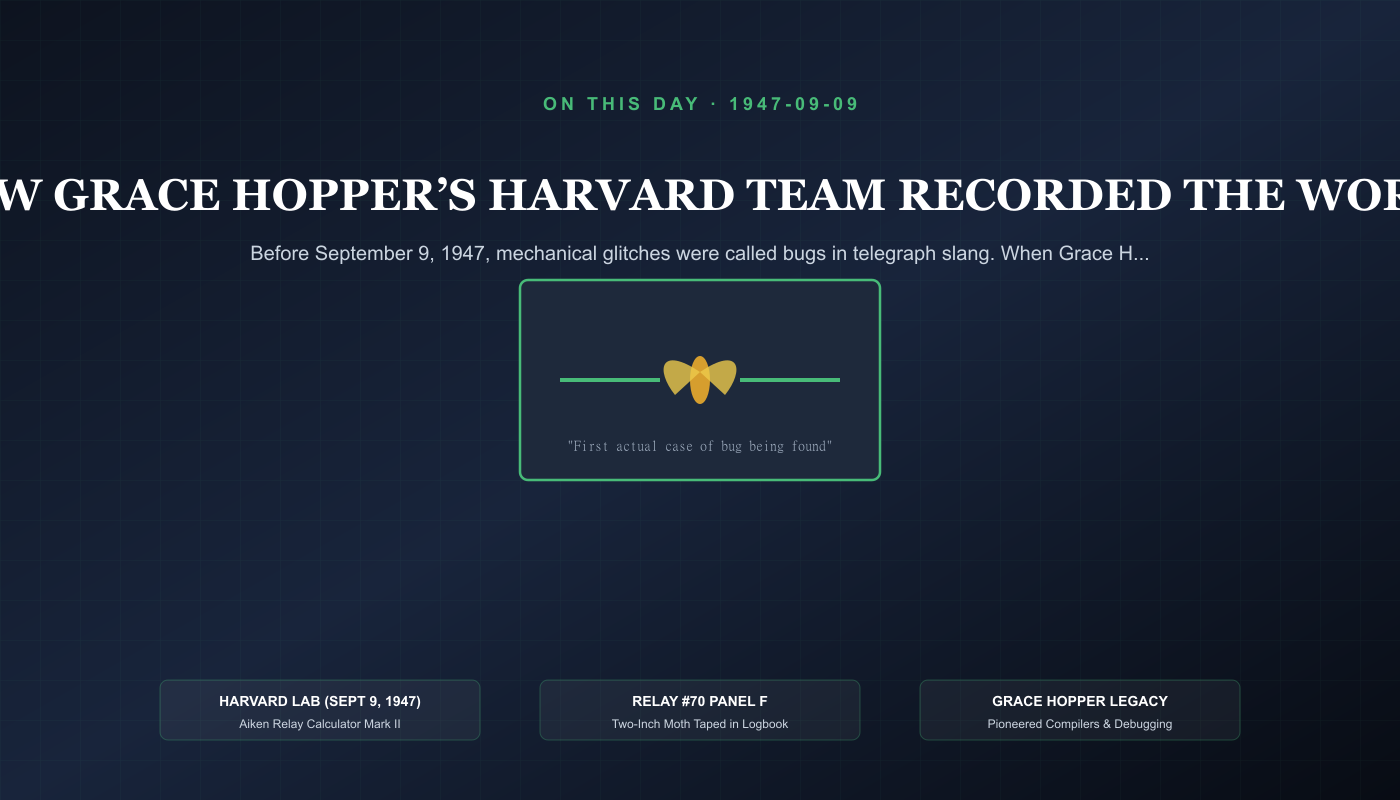
The Moth in Relay 70: How Grace Hopper’s Harvard Team Recorded the World’s First Computer Bug
Before September 9, 1947, mechanical glitches were called bugs in telegraph slang. When Grace Hopper’s engineering team at Harvard taped an actual two-inch moth into their Mark II logbook with the notation "First actual case of bug being found," they gave computing its most enduring metaphor.
Read the source-led story →
Communicators, PADDs, and Sliding Doors: How Star Trek’s 1966 Debut Anticipated Modern Consumer Tech
Before September 8, 1966, science fiction television featured ray guns and flying saucers. When NBC broadcast the premiere of Star Trek, Gene Roddenberry introduced a grounded vision of technology that directly inspired the invention of the handheld mobile phone, tablet computers, MRI scanners, and voice-activated AI.
Read the source-led story →
Taming the Colorado: How Hoover Dam’s Hydroelectric Dynamos Powered the Industrial American West
Before September 7, 1936, the Colorado River was an untamed, flood-prone torrent. When the first 82.5-megawatt generator began spinning deep within the Black Canyon concrete monolith, Hoover Dam launched the era of multi-state clean hydroelectric power.
Read the source-led story →
A Line of Light in San Francisco: How 21-Year-Old Philo Farnsworth Transmitted the First Electronic Television
Before September 6, 1927, television development was trapped in spinning mechanical discs. When 21-year-old self-taught inventor Philo T. Farnsworth transmitted a moving electronic straight line in his Green Street laboratory, he invented the all-electronic television system that defines modern video displays.
Read the source-led story →
The Golden Record Into the Dark: How Voyager 1 Departed Earth to Become Humanity’s Interstellar Emissary
Before September 5, 1977, outer solar system exploration was confined to brief planetary flybys. When Voyager 1 lifted off atop a Titan IIIE rocket, it embarked on a journey that would reveal Jupiter’s volcanic moons, Saturn’s intricate rings, and ultimately cross the heliopause into interstellar space.
Read the source-led story →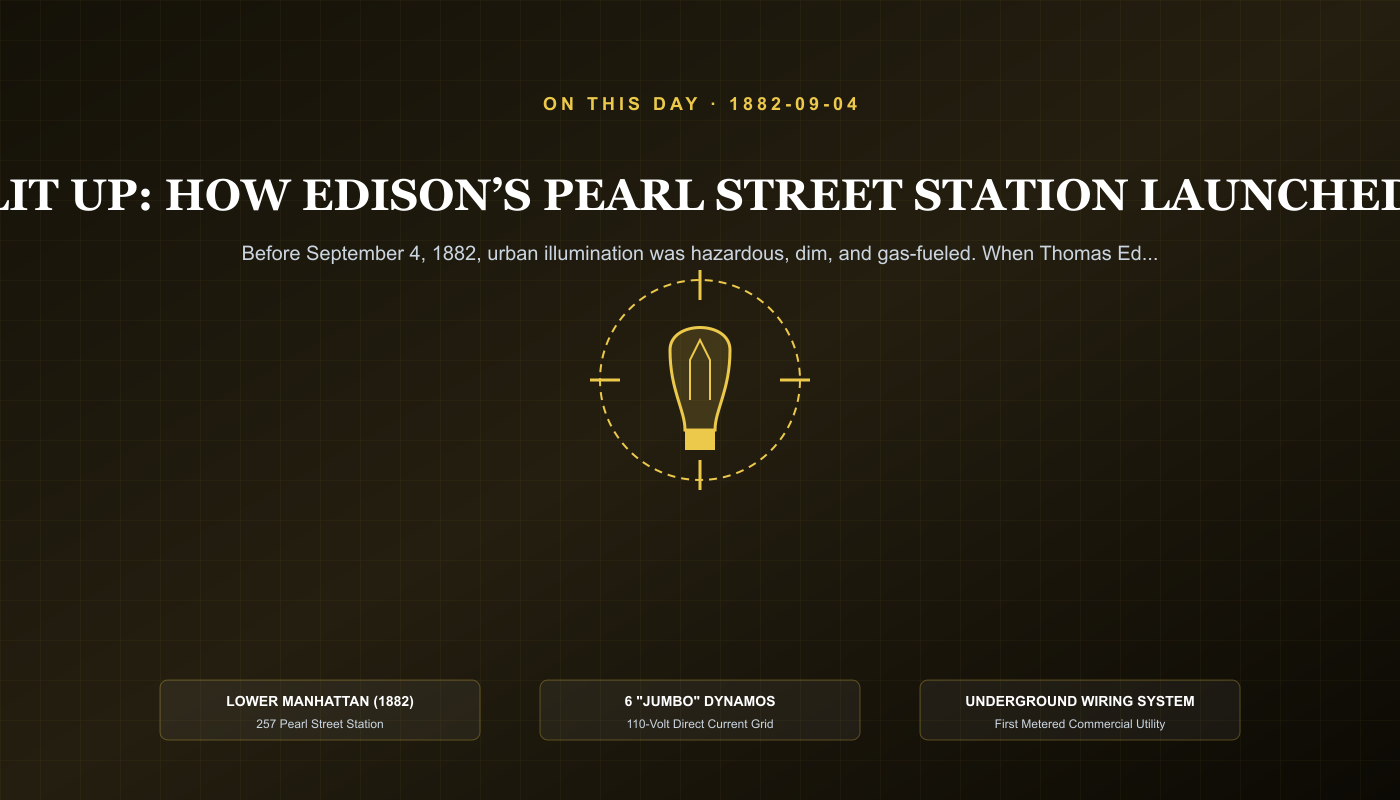
When Lower Manhattan Lit Up: How Edison’s Pearl Street Station Launched the Electric Power Grid
Before September 4, 1882, urban illumination was hazardous, dim, and gas-fueled. When Thomas Edison activated the dynamos at 257 Pearl Street in Manhattan, he created the architectural and economic prototype of the modern central electric utility grid.
Read the source-led story →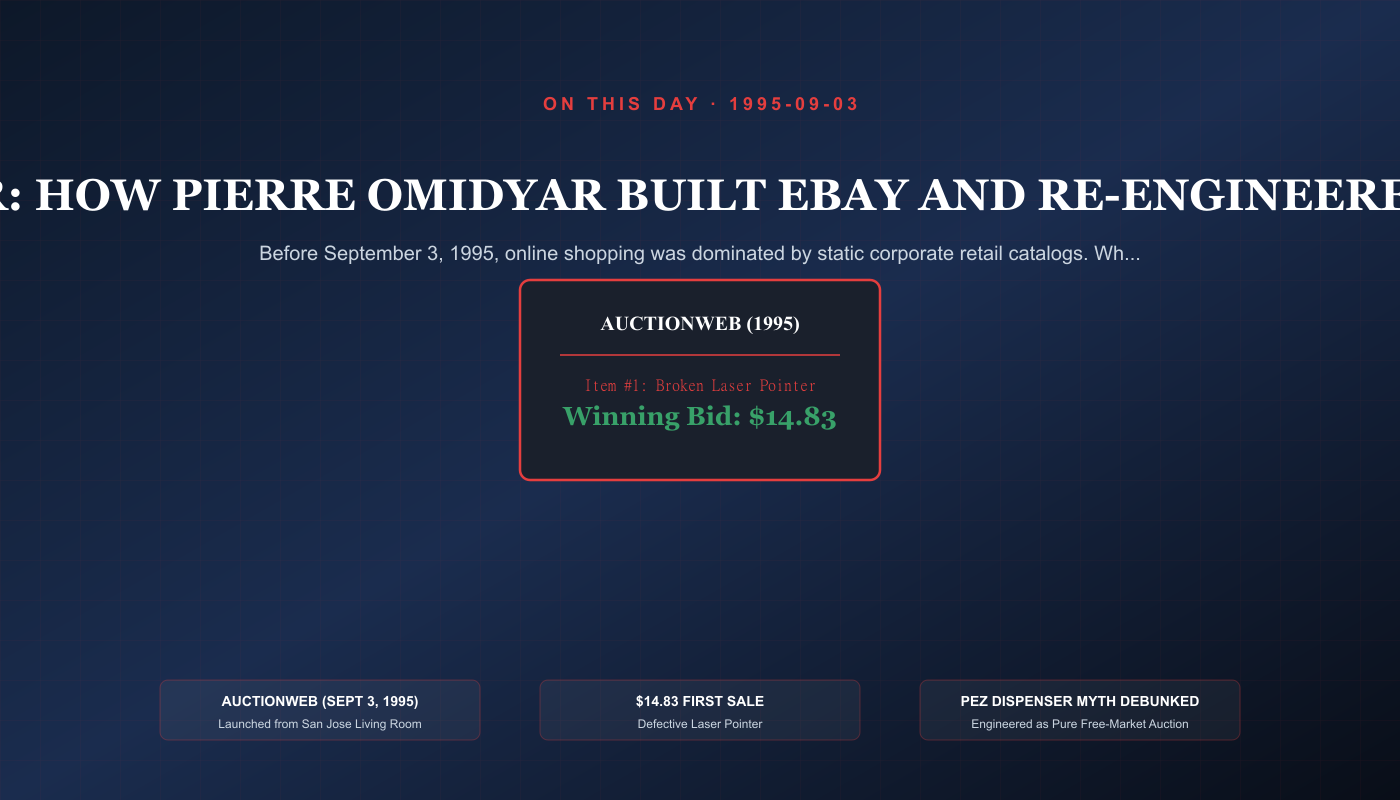
The Broken Laser Pointer: How Pierre Omidyar Built eBay and Re-Engineered Peer-to-Peer Commerce
Before September 3, 1995, online shopping was dominated by static corporate retail catalogs. When 28-year-old programmer Pierre Omidyar wrote code for AuctionWeb in his San Jose apartment, he proved that an open, trust-based peer-to-peer marketplace could organize global commerce.
Read the source-led story →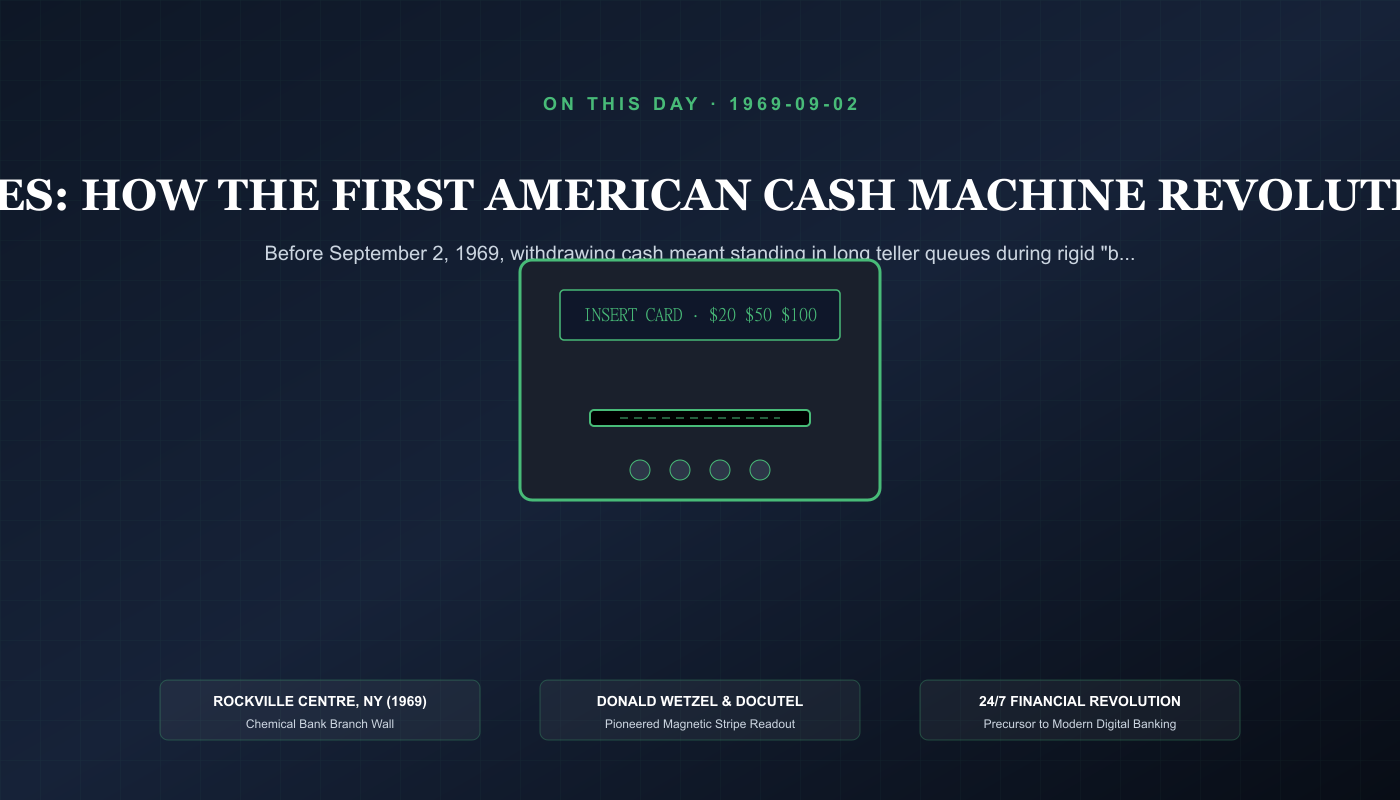
The Bank That Never Closes: How the First American Cash Machine Revolutionized Everyday Banking
Before September 2, 1969, withdrawing cash meant standing in long teller queues during rigid "bankers hours". When Chemical Bank installed a Docutel cash dispenser in Long Island, it inaugurated the era of 24/7 automated financial self-service and laid the groundwork for electronic retail banking.
Read the source-led story →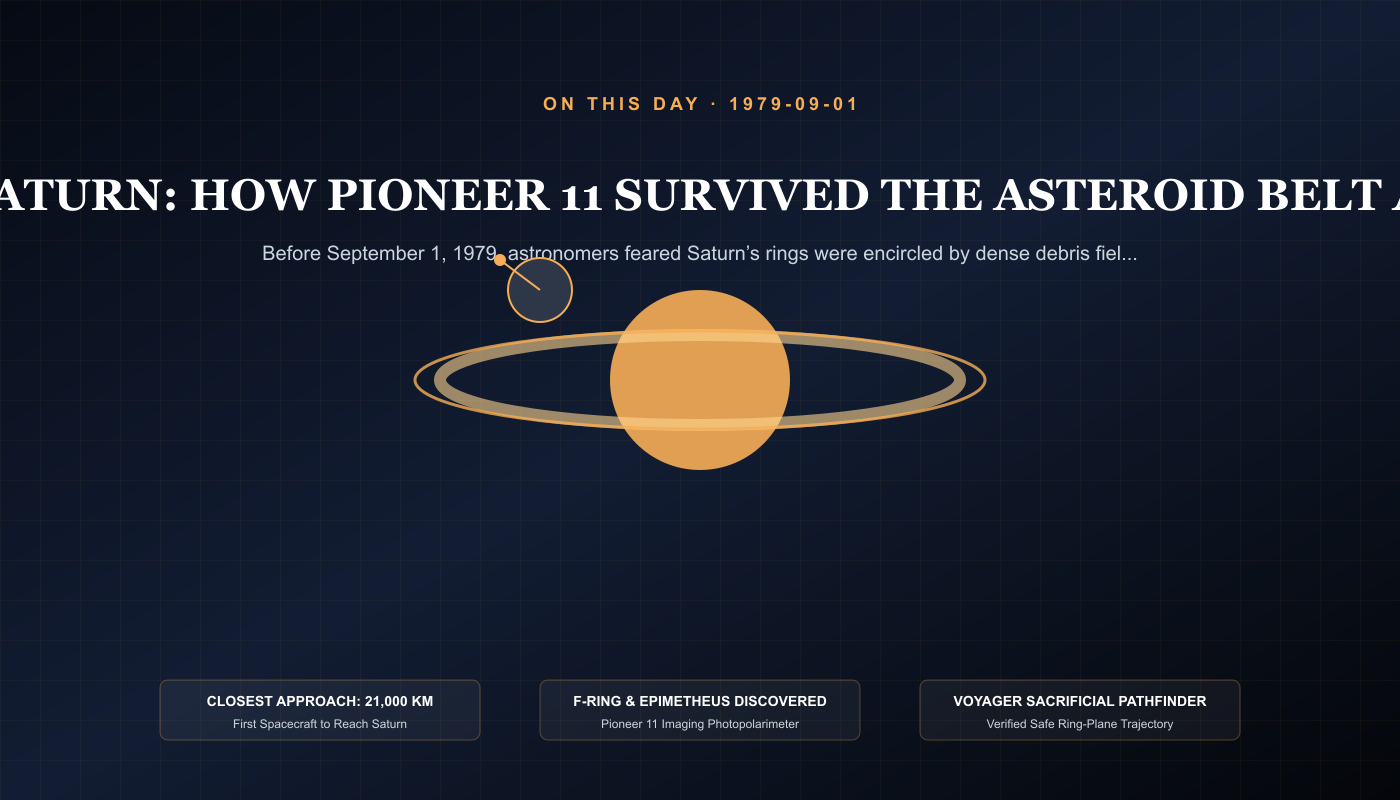
Touching the Rings of Saturn: How Pioneer 11 Survived the Asteroid Belt and Revealed the F-Ring
Before September 1, 1979, astronomers feared Saturn’s rings were encircled by dense debris fields that would pulverize visiting probes. NASA risked Pioneer 11 on a daring ring-plane crossing, discovering Saturn’s narrow F-ring, a new moon, and proving that humanity could safely navigate the outer solar system.
Read the source-led story →EDITORIAL METHODOLOGY
Every historical record in the Useful Finds Daily archive begins with verifiable primary documentation. When institutional archives disagree with popular folklore, the primary record is preserved.